

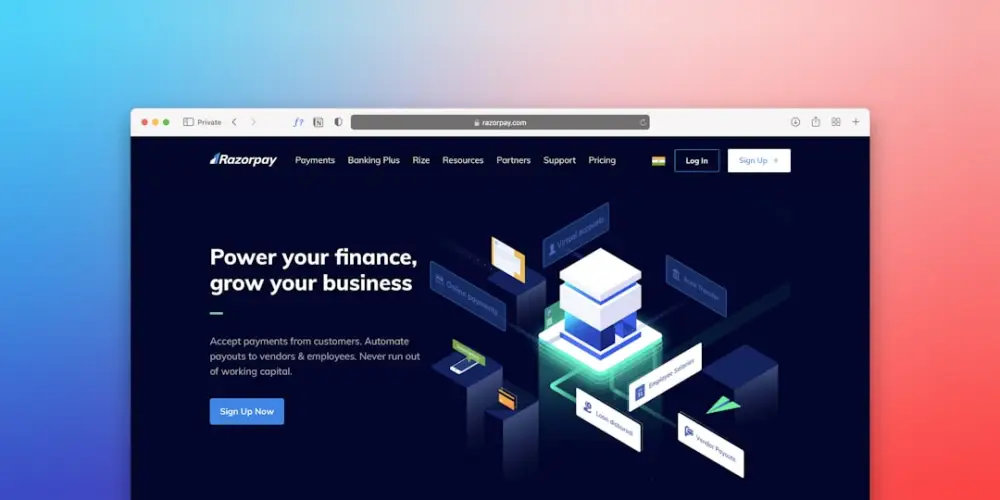
How intentional digital architecture fosters a sense of brand permanence
The Foundation of Digital Longevity
In the fast-paced world of digital marketing, it is easy to get caught up in the latest design trends or viral social media tactics. However, for brands looking to establish themselves as leaders in their industry, there is a more fundamental element at play: digital architecture. Much like a physical building requires a solid foundation and a blueprint that accounts for future growth, your website requires an intentional structure to foster a sense of brand permanence.
Beyond creating a sense of permanence, a sound digital structure ensures your site achieves the performance metrics that matter for driving growth and increasing overall revenue.
Brand permanence is the perception that your business is stable, reliable, and here to stay. When a user lands on a website that feels cohesive, logically organized, and technically sound, they subconsciously register that brand as an authority. At Motothority, we believe that WordPress development shouldn’t just be about launching a site; it should be about constructing a digital legacy.
What is Intentional Digital Architecture?
Intentional digital architecture is the practice of designing and developing your online presence with a long-term strategy in mind. It goes beyond aesthetics. It encompasses your site’s information architecture (IA), the technical stack you choose, and the user experience (UX) patterns you implement.
When we approach a project with an intentional mindset, we aren’t just asking, "What looks good today?" We are asking, "How will this site support the brand five years from now?" This shift from a short-term fix to a long-term asset is what separates a fleeting digital presence from a permanent one.
Moving Beyond the Template Mindset
One of the biggest hurdles to brand permanence is the reliance on rigid, off-the-shelf templates. While templates are convenient, they often come with technical debt and design limitations that eventually force a complete rebuild. A custom WordPress architecture allows for a modular approach where the site can evolve without losing its structural integrity. By building custom blocks and tailored content types, you create a system that is both flexible and durable.
The 4 Pillars of a Permanent Digital Foundation
To create a digital space that feels permanent, you need to focus on several core pillars during the development phase. These elements ensure that your site remains functional and relevant as your business scales.
- Scalability: Your architecture should allow for new features, pages, and content types to be added without breaking the existing layout. A well-planned WordPress multisite or a custom post type system is essential for this.
- Performance and Speed: Nothing undermines a brand’s authority faster than a slow, buggy website. Permanent brands invest in clean code and optimized hosting to ensure a seamless experience.
- Content Hierarchy: Information should be organized in a way that is intuitive for the user. A logical URL structure and breadcrumb navigation help users (and search engines) understand the depth of your expertise.
- Accessibility: A brand that is built to last is a brand that is accessible to everyone. Adhering to WCAG guidelines ensures your digital architecture is inclusive and legally sound.
How Structure Builds Trust and Authority
There is a psychological component to digital architecture. When a website’s navigation is consistent and its page layouts follow a predictable logic, the user feels a sense of safety and control. This "ease of use" translates directly into brand trust. If a user can find what they need effortlessly, they assume the company behind the site is equally organized and professional.
Conversely, a fragmented digital experience—where pages look different, links are broken, or the navigation changes unexpectedly—creates a sense of instability. It suggests that the brand is disorganized or perhaps even struggling. Intentional architecture eliminates these friction points, creating a smooth, authoritative journey from the homepage to the final conversion point.
The Role of Consistent UI Systems
To maintain brand permanence, your visual language must be consistent across all digital touchpoints. This is best achieved through a Design System or a UI Kit integrated into your WordPress theme. By using standardized design tokens for colors, typography, and spacing, you ensure that every new page added to the site feels like a natural extension of the original brand identity.
Practical Steps to Audit Your Current Architecture
If you are concerned that your current digital presence feels temporary or disjointed, you can take practical steps to realign your architecture. Use the following checklist to evaluate your site’s health:
- Review Your Site Map: Is your navigation cluttered? Aim for a "flat" hierarchy where important information is no more than three clicks away.
- Check Page Speed: Use tools like Google PageSpeed Insights to identify bottlenecks. Aim for a Core Web Vitals score that reflects a high-performance brand.
- Evaluate Your Plugin Stack: Are you relying on too many third-party plugins? Consolidating functionality into custom code can improve stability and security.
- Test User Flow: Ask someone unfamiliar with your brand to find a specific piece of information on your site. Observe where they get frustrated or lost.
- Audit Your Mobile Experience: Does your architecture translate well to smaller screens, or does it feel like an afterthought?
Conclusion: Investing in Your Digital Future
In a world of "disposable" digital content, intentional architecture is a competitive advantage. It signals to your clients and competitors alike that your brand is built on a solid foundation. By prioritizing scalability, performance, and user-centric design, you create a WordPress site that doesn't just exist—it thrives.
At Motothority, we specialize in building these types of high-authority brand experiences. We believe that every line of code should serve the broader goal of brand permanence. When you invest in your digital architecture today, you are securing your brand’s place in the market for years to come.


The Future of Digital Brand Presence: Trends Shaping 2025 and Beyond
Digital brand presence is no longer defined by a website and a social media feed. The landscape is shifting fast, reshaped by evolving consumer expectations, emerging technologies, and the relentless demand for authenticity. Brands that fail to adapt will fall behind — not because they lack quality, but because they lack relevance in a market dominated by experience, speed, and connection. The future belongs to brands that innovate boldly and communicate with precision.
Human-Centric Branding Wins
Audiences are done with polished perfection and hollow messaging. They want transparency, real value, and brands that stand for something. Emotional intelligence in branding will outweigh generic positioning. The next wave of successful digital identities will feel personal, honest, and deeply aligned with community values.
AI-Driven Personalization at Scale
AI is redefining digital strategy. From hyper-personalized content to predictive analytics and adaptive web interfaces, AI will empower brands to deliver experiences that feel tailor-made. Static communication is dead. Dynamic adaptation — where every interaction evolves based on behaviour — will become the standard.
Immersive Web & Interactive UX
Websites are evolving into experiential platforms. Micro-interactions, cinematic visuals, and interactive storytelling will move from luxury to expectation. Brands that integrate motion, AR elements, and real-time functionality will command attention and hold it longer. Engagement will become a metric of intelligence, not vanity.

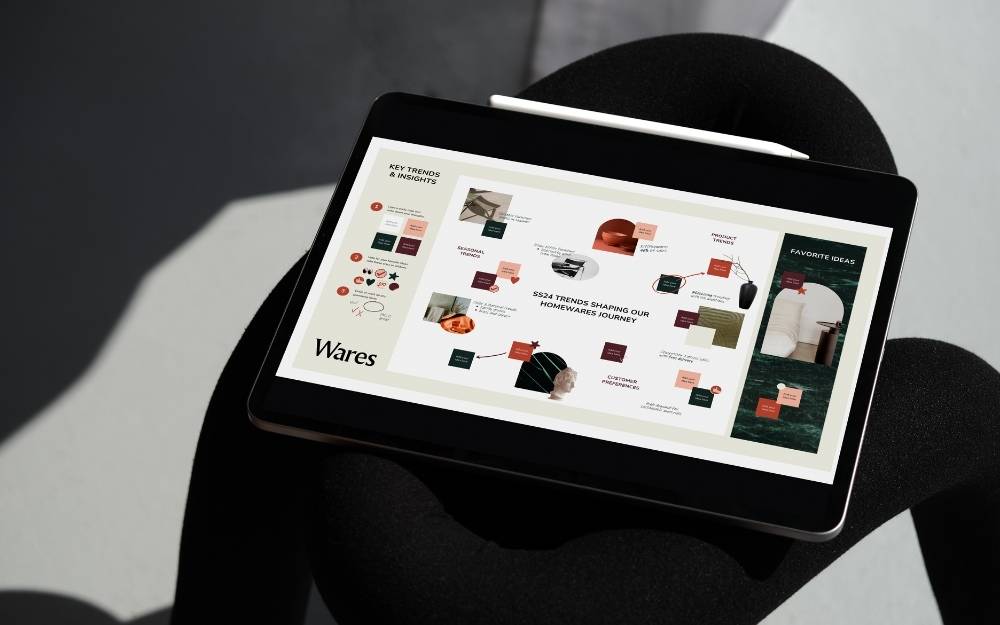
Decentralized Digital Ecosystems
Ownership and decentralization continue to grow. Blockchain-based verification, digital collectibles, and community-powered digital assets will become core tools for loyalty and brand belonging. Consumers will increasingly value brands that provide digital ownership and transparent ecosystems over traditional loyalty gimmicks.
The Rise of Voice & Search Intelligence
Search behaviour is transforming, driven by voice technology and AI conversation models. Brands must optimize for natural language queries and real-time information. Traditional SEO alone will not cut it — conversational search and structured data strategy will define visibility.
Sustainability & Purpose-Led Innovation
Consumers will scrutinize brand values with intensity. Sustainability, ethical sourcing, and meaningful cultural contribution are no longer optional marketing angles — they are performance requirements. Purpose will separate leaders from imitators.
The Outlook
Digital brand presence in 2025 and beyond demands strategic evolution. The brands that will dominate are those capable of merging technology with humanity — data with creativity, intelligence with emotion, design with measurable impact. The future will not reward the loudest brands; it will reward the most relevant.
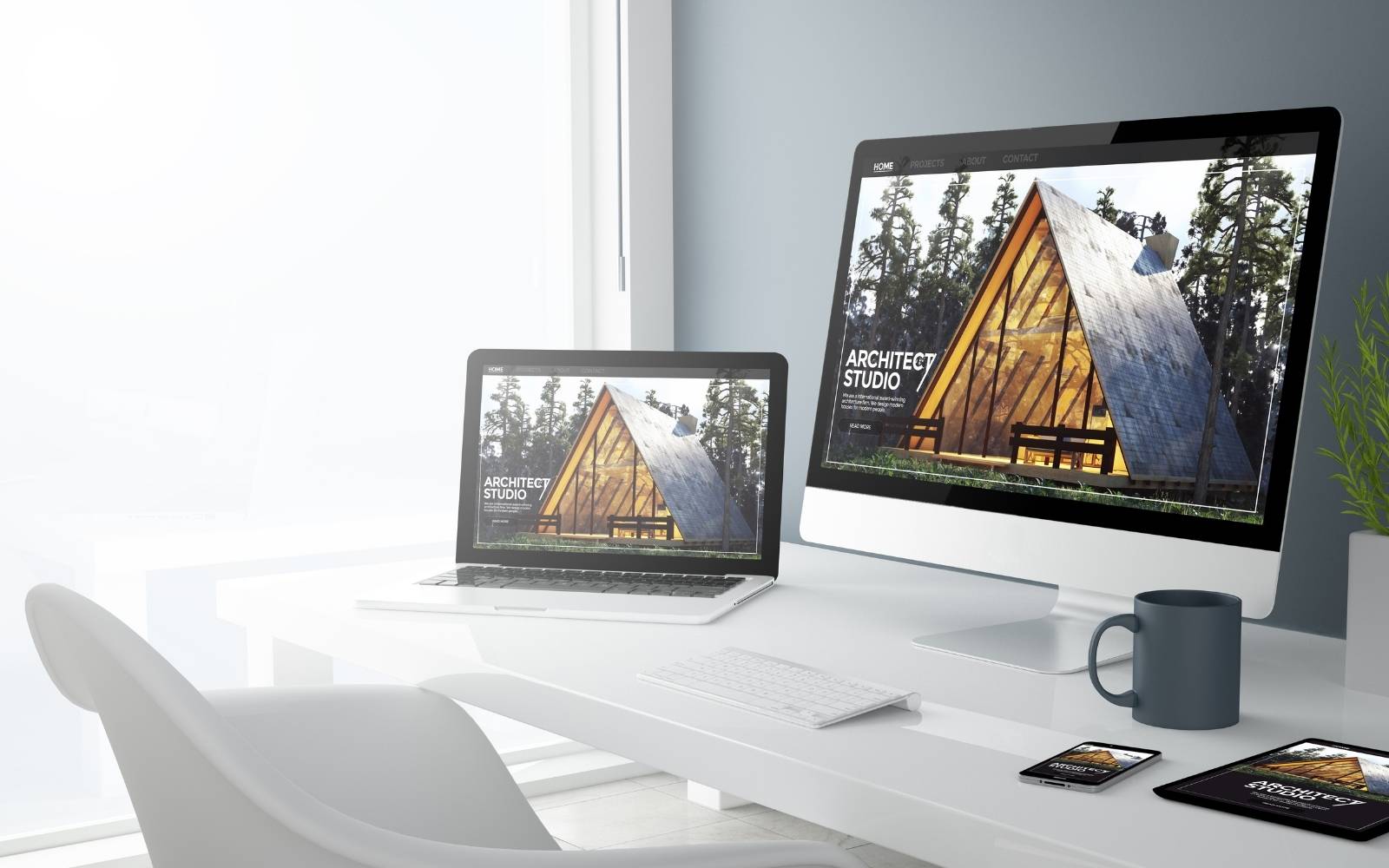
How Modern Web Design Drives Revenue: Real Performance Metrics That Matter
In the current digital economy, a website is no longer a branding accessory — it is a revenue engine. Modern web design directly influences conversions, customer retention, and long-term profitability. Businesses that still treat design as an aesthetic exercise are losing ground to competitors who understand the measurable impact of performance-driven digital experiences.
Every design decision affects user behaviour. Page structure, visual hierarchy, loading speed, mobile responsiveness, and UX flow all play quantifiable roles in conversion success. A visually stunning website means nothing if users abandon it out of frustration. Data proves it: slow or confusing interfaces result in lost sales, reduced trust, and poor engagement. Today’s market demands design that performs.

Key Performance Metrics That Define Revenue-Driven Web Design
1. Conversion Rate (CR)
The most important metric. Strategic layout, intuitive navigation, and compelling CTAs increase conversions by guiding users toward action with minimal resistance.
2. Page Load Speed & Core Web Vitals
Milliseconds matter. Faster pages increase conversion rates and reduce bounce rates dramatically. Google ranking also depends on speed performance, making optimization a financial strategy, not a technical detail.
3. User Engagement & Time on Page
High-quality design improves content readability, interaction, and trust — leading to longer sessions and increased purchasing intent.
4. Bounce Rate
Clear messaging, clean visual hierarchy, and strong value presentation keep users from leaving prematurely. A low bounce rate signals a frictionless experience.
5. Customer Journey Efficiency
Streamlined navigation and optimized checkout paths remove barriers to purchase. Fewer steps equal higher revenue.
6. Mobile Conversion Performance
With mobile traffic dominating, responsive design must deliver full functionality and speed, not a downgraded version of the desktop site.
The Bottom Line
Modern web design is a measurable investment that pays for itself. It increases conversion opportunities, improves customer trust, boosts SEO performance, and strengthens brand authority. Companies that prioritize data-driven design outperform those relying on outdated visual-only strategies. The brands winning today are those treating design as infrastructure — engineered for revenue, tested by metrics, and optimized for growth.

The Strategic Role of Visual Identity in Building Brand Trust and Market Authority
A powerful brand is not built on products or services alone — it is built on perception. In today’s competitive market, consumers make decisions in seconds, and the first point of judgment is almost always visual. For brands positioning themselves as leaders, especially within performance-driven industries like automotive and motorsport culture, visual identity is not optional. It is strategic infrastructure.
A strong visual identity does more than look appealing. It communicates capability, reliability, and authority before a single word is spoken. Elements such as logo design, typography, colours, imagery style, and digital presence work together to form a cohesive system that signals professionalism and commitment. When executed with precision, these components build a brand ecosystem that customers instinctively trust.
Consistency is the key differentiator. Brands that maintain consistent visual standards across every touchpoint — from packaging and apparel to online platforms and event activations — are perceived as more credible and more established. This consistency reduces friction in the customer journey and reinforces recognition, memory, and emotional connection. People trust what feels familiar.

In industries driven by performance, speed, and precision, visual identity also functions as a competitive language. Sleek geometry, bold typography, dynamic layouts, and disciplined design frameworks convey power and innovation. These cues position a brand as an authority rather than just another name in the market. Without strategic design, even high-performance products risk being overlooked.
A well-defined visual identity amplifies marketing effectiveness. Strong design increases content engagement, improves conversion rates, and builds loyal communities that become advocates. It transforms customers into believers and believers into ambassadors. In a culture where authenticity matters more than ever, visual credibility becomes reputational equity.
Brand trust is earned, not claimed. When every visual detail aligns with purpose, values, and performance, consumers feel confident investing long-term. That is the difference between a brand that participates in the market and a brand that dominates it.